

Learning a second language as an adult is like learning how to assemble furniture without the instructions. It can be done, deeply frustrating myspanishvillage . Children, however, absorb language like a sponge in water.
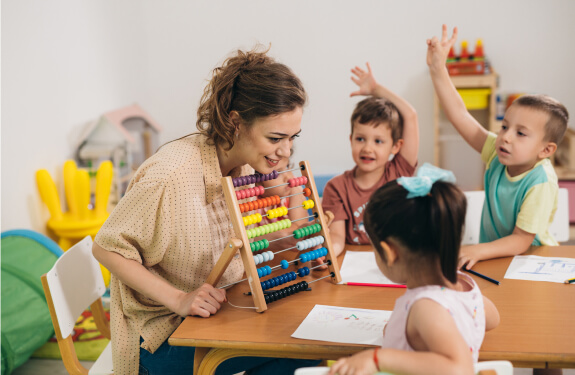
This is exactly why the Spanish immersion program among preschool and kindergarten children in Walnut Creek to assume a terrific tide of momentum among the community.
Many parents don’t realize this until it’s too late: the critical period for language learning is ages 2 to 7. The brain develops in a unique way during this period. Children absorb sounds, rhythms, and grammar effortlessly, without the frustration adults face.
Walnut Creek is uniquely positioned in a cultural corridor. With a large Spanish-speaking population in the Bay Area and California overall, raising bilingual children is both a cultural and economic investment.
These programs are much more than simple vocabulary lessons. The most effective programs integrate language into daily life. Daily routines like eating, playing, and singing help reinforce the language. Children even sing songs in the car without realizing they’re conjugating verbs.
By kindergarten, this development accelerates significantly. After one or two years of immersion, children stop translating in their heads. Spanish becomes a natural thinking mode—a completely new cognitive gear.
A common question is: “Will this confuse my child?” Simply put: no. Research consistently shows that bilingual children develop stronger executive function, are more effective thinkers, and become more advanced readers overall.
One Walnut Creek mother shared: “By Thanksgiving, my child was correcting me. I was both proud and humbled.”
The social impact is significant as well. Children in immersion programs develop a natural curiosity about culture. They begin asking questions about holidays, food, and language differences. This curiosity becomes a lifelong investment.
There are several types of programs available. Certain schools use complete Spanish immersion. Others use a dual-language model—half English, half Spanish, helpful for parents who aren’t fluent. There’s no one-size-fits-all solution—it comes down to your child’s needs and preferences.
Financial factors do come up. High-quality bilingual education in the Bay Area is rarely inexpensive. Still, families often view it as a valuable investment. College prep? One step ahead. Career advantages in Spanish-speaking environments? Absolutely.