

For adults, learning a second language is similar to trying to assemble furniture without instructions. Technically possible, but extremely frustrating. Children, however, take up language like a sponge in water.
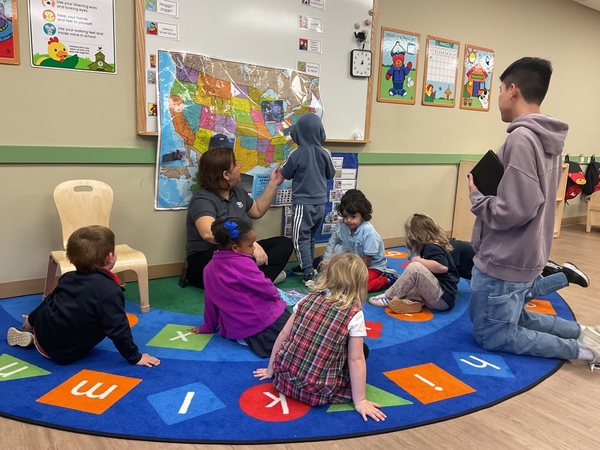
This is precisely what is causing the Spanish immersion program among preschool and kindergarten children in Walnut Creek to gain massive momentum among local families myspanishvillage
.
This is something many parents overlook: the critical period for language learning is ages 2 to 7. At this stage, the brain is wired differently. Children absorb sounds, rhythms, and grammar effortlessly, without the self-consciousness adults experience.
This is especially relevant in Walnut Creek. Because Spanish is widely spoken across California, raising bilingual children is not just educational, but socially and economically beneficial.
A Spanish preschool program is far more than flashcards and counting to diez. The most effective programs integrate language into daily life. Activities like snack time, storytelling, playtime, and singing help reinforce the language. They absorb language through repetition without effort.
By kindergarten, children advance quickly. After one or two years of immersion, children stop translating in their heads. They process thoughts in Spanish—a completely new cognitive gear.
Many parents wonder: “Will this confuse my child?” The short answer is no. Research consistently shows that bilingual children gain enhanced mental flexibility, are better problem-solvers, and become better readers—even in their first language.
As one parent in Walnut Creek described: “By Thanksgiving, my daughter was correcting my pronunciation. I was humiliated and proud.”
The social impact is significant as well. Children in immersion programs develop a natural curiosity about culture. They begin asking questions about holidays, food, and language differences. That curiosity becomes a lifelong asset.
There are several types of programs available. Some offer full-day immersion with only Spanish spoken. Others use a dual-language model—half English, half Spanish, ideal for non-Spanish-speaking families. No method is universally best—it comes down to your child’s needs and preferences.
Cost is an important consideration. High-quality bilingual education in the Bay Area is rarely inexpensive. Many consider it worth the cost. College prep? One step ahead. Professional benefits? Without question.