

Thailand's property market is much like durian — fishy to newcomers at first glance, but once you get past the initial shock, you start to see what all the fuss is about. Investors and expats from across the globe have been pouring into the Phuket condo market, and honestly, it's not hard to understand why phuket real estate report.
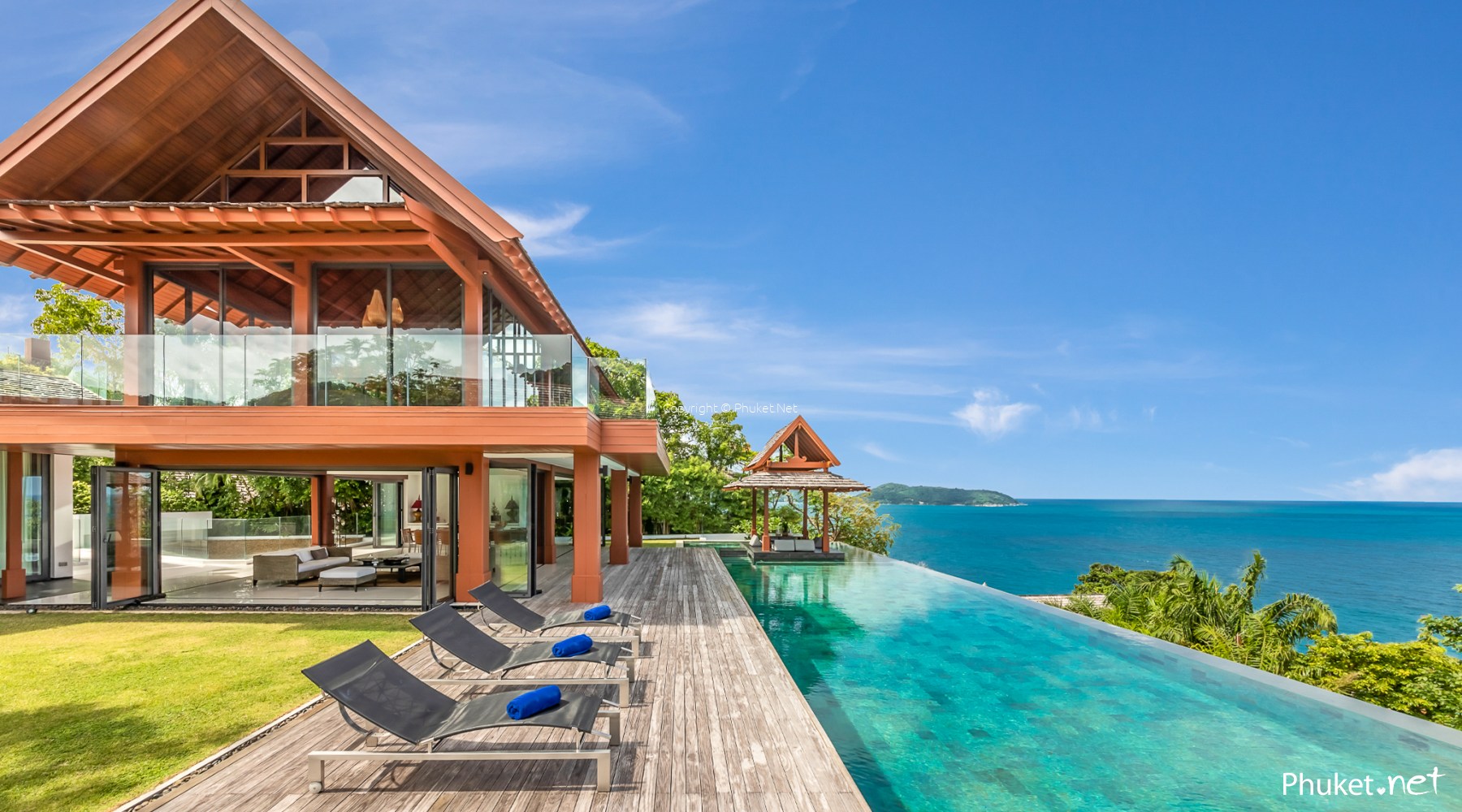
Phuket is more than just beaches. It's an entire way of life.
The island has changed radically in the last 10 years. What were once sleepy fishing villages have become world-class hospitals, international schools, fine dining establishments, and a real estate boom that would make Bangkok developers quietly envious. The condo market spans from simple sea-view studios from 230,000 to 300,000 baht right up to penthouses surpassing 30 million baht. The gap between the two extremes tells the whole story: Phuket has something for virtually everyone.
The Location Question Is Bigger Than You'd Expect.
Speak to any experienced local agent and they'll tell you the same thing: location rips the market open. Patong is noisy, crowded, and perpetually lit with neon — ideal if you're targeting rental revenue from tourists on holiday around the clock. Bang Tao and Laguna sit on the other end of the scale — quieter, more refined, where long-stay families and retirees who opt for a sunset wine over a fluorescent bucket drink.
Rawai and Nai Harn are having their moment. Digital nomads and remote workers have been steadily settling on the island's southern end, driving demand toward mid-range condos with fast Wi-Fi and proximity to good coffee. Costs are still more accessible than the west coast — at least for now.
The Freehold vs. Leasehold Question — Read This Carefully.
This is the point where many overseas buyers come unstuck. Non-Thais are not permitted to buy land outright in Thailand, but under the Condominium Act, freehold condo ownership is available to foreigners provided foreign ownership of any building stays within 49 percent of total floor area. If you're buying in a building where that quota is already full, leasehold is the only route available — typically 30 years, potentially extendable to 90.
Both are legitimate paths. What matters is knowing which one you're getting into before you sign anything.
The Rental Yield Question Everyone Is Asking.
High season — November through April — brings millions of visitors to Phuket. Gross rental yields on condos in high-demand areas can reach 5 to 8 percent annually, and more for well-maintained properties in beach-adjacent locations. Certain developments come with guaranteed rental schemes — the developer manages the unit and promises a set return for a defined period.
Sounds appealing. And sometimes it genuinely is. But "guaranteed" carries different meanings across different contracts. Read those documents. Then read them again.
The Purchase Process, Simplified.
You find a condo, negotiate, and pay a reservation deposit (50,000–200,000 baht). An offer and acceptance agreement is then prepared. Then comes due diligence — verify the title deed (a Chanote), confirm the building's juristic person is functioning, and make sure utility accounts are settled. For freehold purchases, funds must be transferred from abroad (a requirement under Thai law for foreign freehold ownership), with the transfer finalised at the Land Office.
That's the simplified version. In reality, there are more steps — and the occasional surprise. Hiring an experienced Thai property lawyer is money well spent — far better than relying on the developer's legal team.
Buying New vs. Buying Resale
Fresh developments typically offer appealing payment structures — say, 30 percent down with the remainder in staged payments over two or three years. Good for cash flow management, but less appealing if the developer encounters delays. Some Phuket projects have experienced exactly that.
With resale, you get to see the real unit, evaluate the building firsthand, and often negotiate more aggressively. No delays, no development risk. The trade-off is paying a slightly higher price per square meter than off-plan pre-launch rates.
What's Driving Prices Right Now.
Prices have been rising alongside ongoing infrastructure upgrades. Phuket International Airport's ongoing expansion, steady road improvements, and long-discussed light rail projects continue making news. Every time a new infrastructure announcement drops, agents hear from investors who suddenly remember they always wanted to live by the ocean.
Historically, demand has been driven by Chinese, Russian, and Scandinavian buyers. Increased Russian buyer interest — especially in Rawai — grew noticeably after 2022 as money looked for stable destinations. Markets shift. But Phuket's fundamental draw hasn't faded: sunshine, growing infrastructure, accessible living costs, and a property market that keeps finding new ceilings.
The Chapter Nobody Likes to Discuss.
Maintenance fees. Juristic person fees. Common area charges. They differ dramatically from one development to another. Premium beachfront developments can run 80–120 baht per square metre per month in charges. Budget developments may offer lower charges — but frequently with a matching drop in management standards. Factor these into your true cost of ownership. A 50 sqm unit at 100 baht per sqm — that's 60,000 baht a year before you've touched a light switch.
Also worth noting: sinking funds. Reputable developments budget for them. Buildings without them often look impressive for five years, then start showing wear just when you're ready to exit.
Is Phuket Property Worth the Commitment?
It comes down to what you're looking for. The Phuket condo market offers real potential — for those seeking a base in Southeast Asia or an income-producing investment. But this is a market that rewards research and punishes those who buy on the strength of a developer pitch alone.